Skip to main content
A Plant-Based Diet: Eating for the Environment
A vegan diet can have a significant positive impact on the environment and your health.
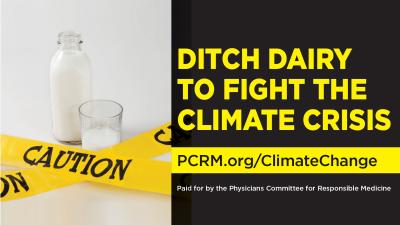
Research shows that meat and dairy products are fueling the climate crisis, while plant-based diets—focused on fruits, vegetables, grains, and beans—help protect the planet.
How Food Impacts the Climate
Plant-Based for the Planet
Shifting diets from meat and other animal products to plant-based diets has a high potential for reducing carbon footprints and mitigating climate change, as well as improving human health, according to Climate Change 2022: Mitigation of Climate Change, a report from the United Nations’ Intergovernmental Panel on Climate Change.
The authors of Climate Change 2022 say that studies demonstrate that a shift to plant-based diets rich in pulses, nuts, fruits, and vegetables could lead to substantial reduction of greenhouse gas emissions as compared to current dietary patterns in most industrialized countries. The report says that other co-benefits include lowering the risk of cardiovascular disease, type 2 diabetes, and reducing mortality from diet-related noncommunicable diseases.
A report published in The Lancet in 2019 concluded that a dietary shift toward plant foods and away from animal products is vital for promoting the health of our planet. The report states that projections for the future show that “vegan and vegetarian diets were associated with the greatest reductions in greenhouse-gas emissions.”
A global shift to a plant-based diet could reduce mortality and greenhouse gases caused by food production by 10% and 70%, respectively, by 2050. A report from the United Nations Environment Programme says that “animal products, both meat and dairy, in general require more resources and cause higher emissions than plant-based alternatives.” The World Health Organization says, “Reducing livestock herds would also reduce emissions of methane, which is the second largest contributor to global warming after carbon dioxide.”
Cattle produce methane as part of their normal digestive process, called enteric fermentation. When cows burp the methane is released into the atmosphere. Methane is also produced when animal manure is stored or managed in lagoons or holding tanks, according to the Environmental Protection Agency.
New Zealand recently proposed a tax on cow emissions, which they could reduce the amount of methane New Zealand’s livestock release into the atmosphere by as much as 47% by 2050. The Danish Climate Council, which advises the Danish government, has also recommended imposing a tax of 33% on beef to help the country meet its climate goals. It also recommended that Danes replace two-thirds of their meat intake with vegetables and other plants to fight climate change.
After health, environmental concerns are the next most prominent factor leading to reduced meat consumption, according to a recent Gallup Poll: seven in 10 say concerns about the environment are behind their avoidance of meat.
The methane emissions of five of the largest meat corporations and 10 of the largest dairy corporations—which include JBS, Tyson, and the Dairy Farmers of America—is equal to over 80% of the European Union’s entire methane footprint, according to a report from the Institute for Agriculture and Trade Policy and the Changing Markets Foundation.
The Physicians Committee's Convert to Crops campaign provides grants to farmers who want to move away from animal agriculture to grow fruits, vegetables, and other crops. Together with partner organizations, we provide the practical assistance farmers need to feed people and support the environment.
Health Care Professionals Fighting Climate Change
The American Medical Association adopted a policy in June 2022 that declares climate change a public health crisis that threatens the health and well-being of all people.
Eighty-six percent of health care professionals say that they have a responsibility to inform the public about the health effects of climate change, and 90% say that they need to inform policymakers, according to the results of a survey in The Lancet Planetary Health. But 76% of those surveyed say that they need continuing medical education on climate change and health.
The Physicians Committee's clinical research team has published research in JAMA Network Open and BMJ Nutrition, Prevention & Health studies showing that a eating a plant-based diet can reduce greenhouse gas emissions more than a diet that includes animal products.
Ready to Make the Change? We’re Here to Help.
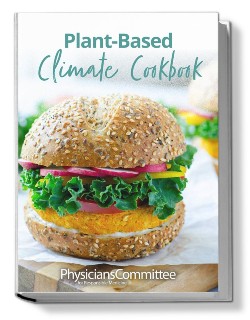
Download our free e-book to learn more about how a plant-based diet helps the environment and get started with healthy, climate-friendly recipes! Fill out the form below and the download link will be delivered to your email inbox.