Covance has raised the ire of doctors and animal advocates for its animal tests. And after just three years and ongoing scrutiny, it has been forced to close down its contentious facility in Chandler, Ariz. The company also scuttled plans to build a lab in Virginia and closed its Vienna, Va., facility. PCRM member physicians fought long and hard against the establishment of the Arizona laboratory. In the end, victory came from a lack of demand for its services.
Covance is a contract company that tests cosmetic ingredients, food additives, pesticides, and drugs on monkeys, dogs, rabbits, rodents, and other animals. Six years ago, we began our campaign to stop Covance from building the animal-testing facility in Chandler as soon as we learned about its plans.
The tests Covance performs on animals are inherently cruel, but the pain the animals endure doesn’t end there. In 2006, we released a report detailing Animal Welfare Act violations at five Covance facilities around the country. Covance was also fined by the U.S. Department of Agriculture based on allegations of workers striking, choking, and tormenting primates at its Virginia facility.
The animal-testing process can involve risks for humans, with infectious diseases, animal wastes, animal carcasses, and toxic chemicals. Monkeys at a Covance research facility in Madison, Wis., tested positive for tuberculosis. Another Covance facility had to be evacuated when several research monkeys were discovered to be infected with the Ebola virus. Eventually, that facility had to be destroyed.
When Covance announced plans to build an incinerator that would have likely been used to destroy thousands of toxic animal carcasses each year, PCRM released a report detailing the potential health hazards posed to Chandler residents. The incinerator was never built.
We eventually gathered more than 1,300 statements of opposition from residents who did not want the proposed Chandler facility—with its cruelty and health risks. And we filed a lawsuit accusing Chandler city officials of illegally collaborating with Covance to keep citizens in the dark and out of the decision-making process.
Although Covance eventually opened the Chandler facility, citizens continued to speak out against this animal abuser, environmental threat, and public health menace until its demise this year.
PCRM continues our grassroots outreach and work with organizations, corporations, and government agencies to reduce and replace animal testing. You can learn more about our efforts at PCRM.org/Research.
Indian cuisine is known for its use of fatty dairy products—milk, ghee, and various cheeses. And now the country’s National Dairy Development Board is launching Mission Milk. It wants to double India's milk production over the next decade. That means more obesity, diabetes, and heart disease. But PCRM’s Kickstart India that begins June 4 can reverse the ravages of dairy, meat, and Western fast food.
Mission Milk isn’t the only attempt to wreck India’s health. Restaurants serving high-fat, high-cholesterol Western meals are rapidly taking over. Yum Restaurants India—which owns KFC, Pizza Hut, and Taco Bell—plans to more than double its restaurants from 400 to 1,000 by 2015. And Wendy’s, Arby’s, Carvel Ice Cream, Dunkin Donuts, Applebee’s, Moe's Southwest Grill, and Starbucks all have plans to open in India.
This Westernization of Indian diets wreaks havoc on the country’s health. The Indian Heart Watch (IHW) study recently found that the risk for heart disease is now higher in India than in the United States. Why? The study found that 51 percent of men and 48 percent of women have high-fat diets. Sixty percent of men and 57 percent of women have a low intake of fruit and vegetables. Forty-one percent of men and 45 percent of women are overweight or obese.
Kickstart India can help reverse this trend. It enables participants to “test-drive” a healthy vegan diet for 21 days and experience significant health benefits, including lowered blood pressure, improved cholesterol, weight loss, and in some cases, elimination of chronic pain.
Our next Kickstart begins June 4 and will attract thousands of participants in both India and the United States with healthy, low-fat versions of popular Indian recipes. Best of all, Kickstarters get nutrition tips from doctors, dietitians, and a galaxy of Bollywood and Hollywood movie stars, including Mallika Sherawat, Alicia Silverstone, Jackie Shroff, Amala Akkineni, and Celina Jaitley.
Kickstarters receive 21 days of online support, menus, recipes, shopping guides, expert advice, and celebrity tips and encouragement, as well as discussion boards and opportunities to connect with physicians and registered dietitians.
To start receiving your daily Kickstart e-mail messages on June 4, register at 21DayKickstartIndia.org. And please be sure to share this link with anyone you know in India.
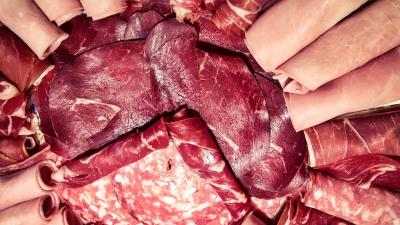
Is beef safe? That’s the question Americans are asking again after a new case of mad cow disease was confirmed in the United States this week. The answer is clearly no, beef is not safe. But the threat of mad cow disease isn’t the only reason. Not by a long shot.
Mad cow disease (bovine spongiform encephalopathy or BSE) is a fatal central nervous system disease. The latest case was found in a dairy cow in a random U.S. Department of Agriculture test of dead farm animals in California. Alive, the cow showed no signs of BSE. Affected cows often show increased apprehension, poor coordination, difficulties in walking, and weight loss.
In this case, it’s a wonder that the disease was detected at all. The agency conducts BSE tests on only 0.1 percent of cows, or about 40,000 of the 34 million cattle slaughtered each year.
There is strong scientific evidence that the agent responsible for BSE is the same agent responsible for Variant Creutzfeldt-Jakob Disease, the human form of mad cow disease. But there are many other equally compelling reasons to steer clear of meat. Meaty diets harbor enough saturated fat and cholesterol to bring on a heart attack. They are also linked to cancer, diabetes, and obesity.
A switch to chicken or fish does very little to reduce risk. But plant-based diets—loaded with vegetables, fruit, grains, and legumes—can help prevent and reverse all of these diseases. That’s right. There is no “mad kale” disease.
This site does not provide medical or legal advice. This Web site is for informational purposes only. Full Disclaimer | Privacy Policy
Physicians Committee for Responsible Medicine 5100 Wisconsin Ave., N.W., Ste.400, Washington DC, 20016 Phone: 202-686-2210 Email: pcrm@pcrm.org